ABC’s indefinite suspension of “Jimmy Kimmel Live!” following federal regulatory threats marks a watershed moment in the battle between government authority and media independence that has sent shockwaves through the entertainment industry.
Story Highlights
- ABC pulls Kimmel’s show indefinitely after FCC Chair threatens broadcast license over political commentary.
- Trump praises ABC’s “courageous” decision while calling for the cancellation of other critical late-night shows.
- Major affiliate group Nexstar preempts Kimmel across multiple markets.
- Democrat leaders and free speech groups denounce the move as a dangerous authoritarian precedent.
Federal Regulator Wields Unprecedented Pressure
FCC Chair Brendan Carr, appointed during Trump’s previous term, publicly threatened ABC’s broadcast license after Kimmel linked Charlie Kirk’s killer to the MAGA movement during his September 15 monologue.
Carr described Kimmel’s conduct as “some of the sickest conduct possible,” marking an extraordinary intervention by a federal regulator into television content.
The timing of Carr’s threat, just two days after the controversial remarks, demonstrates the swift political pressure now facing media outlets that criticize conservative figures.
This direct regulatory intimidation represents exactly the kind of government overreach that conservatives typically oppose, yet the circumstances reveal the complex dynamics at play when media personalities exploit tragedy for political gain.
Kimmel’s decision to politicize Kirk’s death within days of the incident shows a troubling disregard for basic decency that transcends normal political commentary.
Corporate Media Bows to Political Pressure
ABC’s immediate capitulation to federal pressure raises serious questions about media independence in corporate boardrooms.
The network announced Kimmel’s indefinite suspension on September 17, the same day as Carr’s threat, suggesting either a remarkable coincidence or disturbing coordination.
Disney, ABC’s parent company, has consistently prioritized profit over principle when facing political headwinds, and this decision fits that pattern perfectly.
Nexstar Media Group’s simultaneous decision to preempt Kimmel across its ABC affiliates amplifies the corporate retreat from controversial content.
The affiliate group’s swift action highlights how quickly media companies can abandon their on-air talent when regulatory and financial pressures converge.
This coordinated response between network executives and affiliate operators suggests deeper conversations occurred behind closed doors before the public announcements.
Trump Celebrates Media Accountability
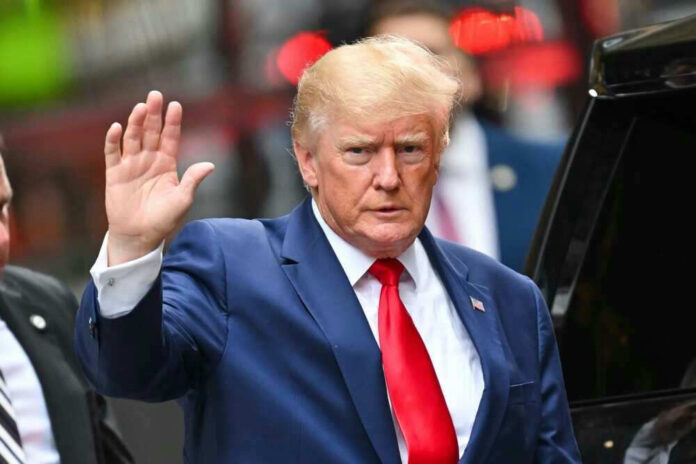
President Trump’s praise for ABC’s decision as “great news for America” reflects his long-standing battle against hostile media coverage.
Trump specifically congratulated the network “for finally having the courage to do what had to be done,” framing the suspension as overdue accountability rather than censorship.
His subsequent call for canceling other critical late-night shows reveals a broader strategy to pressure networks hosting anti-conservative content.
This response aligns with Trump’s consistent position that media outlets should face consequences for what he views as biased or inflammatory coverage.
The president’s celebration of corporate self-censorship may trouble free speech purists, but many conservatives argue that Kimmel crossed ethical lines by exploiting Kirk’s death for partisan attacks.
The distinction between legitimate political commentary and exploiting tragedy for ratings remains a crucial consideration in this controversy.
Democrats Cry Authoritarianism
California Governor Gavin Newsom and Senate Majority Leader Chuck Schumer immediately condemned the suspension as a dangerous precedent threatening democratic norms.
Newsom characterized the move as “coordinated and dangerous,” while Schumer warned of “autocracy” comparable to dictatorial tactics.
Their swift, coordinated response suggests Democrat leadership recognizes the broader implications for liberal media personalities who regularly attack conservative figures.
Free speech advocacy groups joined Democrat politicians in denouncing both ABC’s decision and the FCC’s threats. However, their outrage rings hollow given their selective application of free speech principles when conservative voices face similar pressures from progressive activists and corporate sponsors.
The same groups remained largely silent when conservative commentators faced deplatforming and advertiser boycotts, revealing their partisan approach to defending speech rights.
Chilling Effect Spreads Across Media Landscape
The immediate suspension of a major network show following federal regulatory threats will inevitably influence editorial decisions across the television industry.
Other late-night hosts who regularly engage in anti-conservative commentary must now weigh the potential consequences of crossing similar lines. Networks and affiliate groups will likely implement stricter content review processes to avoid regulatory scrutiny and advertiser backlash.
This development represents a significant shift in the media landscape, where federal regulators directly threaten to revoke broadcast licenses over political content.
While the FCC has traditionally focused on technical violations and indecency standards, Carr’s intervention suggests an expanded willingness to police political commentary deemed offensive or inflammatory.
The precedent established here will influence how media companies approach controversial political content for years to come.