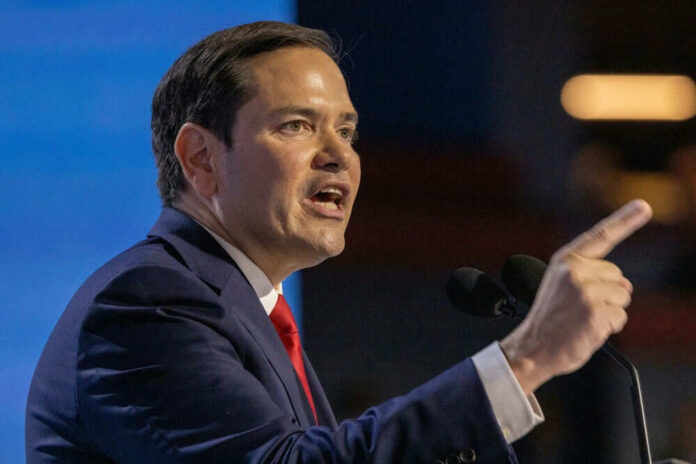
Standing on the Pnyx facing the Acropolis, Secretary of State Marco Rubio told the West to choose confidence, reclaim power, and act like it means to lead.
Story Snapshot
- Rubio delivered a civilizational call to the West from Athens’ ancient assembly hill.
- He urged an unapologetic push for national power tied to democratic self-rule.
- He linked Athens, Rome, Christianity, and America’s founding into one shared legacy.
- He pressed Europe to harden energy, rebuild industry, and strengthen defense now.
Rubio’s Athens Message: Power With Purpose
Secretary of State Marco Rubio used Athens to argue that national strength and free government rise together, not apart. He said the West must regain confidence in who it is and what it stands for. He framed national power as duty, not bravado, and tied it to civic culture, family, faith, and work. He warned that drift invites danger. He called for a clear choice: renew strength at home and with allies, or accept decline and let rivals set the rules.
Rubio chose the Pnyx, where ancient citizens met in the open air, to reinforce his point about consent and courage. Reporters on scene said the Acropolis backdrop underscored a long arc—from philosophy and law to the habits that let free people build and defend common life. He stressed that Western identity is not a museum piece. It lives in the daily practice of self-rule and sacrifice. That practice, he argued, needs fuel: industry, secure borders, energy, and credible arms.
A Civilizational Frame That Signals A Policy Package
Rubio’s words fit a pattern leaders use in hard times: turn many problems into one story to unite action. He named war, energy shocks, weakened supply chains, and aggressive rivals as parts of one fight. He urged Europe to move faster on defense and energy security. He tied reshoring and allied production to independence from hostile suppliers. He pressed for tighter alliance discipline and real spending, not slogans, to meet this era’s tests.
The State Department’s billing and wire coverage highlighted a through-line from Athens and Rome to the Christian tradition and the founding of the United States. Rubio used that line to argue that freedom needs muscle and memory. He cast Greece as a model ally and a frontline partner as the West resets energy routes, naval posture, and defense industry. He framed the next decade as decisive for a century of order or drift.
What “Unapologetic National Power” Means In Practice
Rubio sketched a concrete agenda. He called for stronger militaries that can deter and, if needed, win. He pushed for energy abundance so allies cannot be blackmailed. He argued for shorter, trusted supply chains that keep vital inputs at home or in friendly states. He linked these goals to fairer trade and to rules that reward production, not dependency. He said a confident West backs its borders and its families because national strength starts with stable communities.
Rubio Speech: There was some interesting imagery the return of Athenian democracy after Persia sacked the Acropolis. Then Greece itself getting independence from the Ottoman Empire and the Remigration of Muslims out of Greece.. Remigration theme: its not as uncommon as thought https://t.co/qSw2b1Gbse
— uk legislation (@uklegislation8) October 8, 2026
He also urged a mental reset. He said free nations should stop apologizing for defending their way of life. He framed alliance solidarity as a two-way street: Washington will lead, but partners must carry weight. That message aligns with common sense and conservative instincts. Peace needs strength. Independence needs industry. Borders need will to enforce them. Voters can argue details, but the core logic is simple and old. The venue made that point without a word.
Why The Optics Mattered As Much As The Lines
Delivering the speech at sunset from the birthplace of assembly rule was not stagecraft alone. It was a claim that character, not just capacity, built the West. The backdrop said courage can be taught, remembered, and renewed. It also hinted at accountability. In a place where citizens once voted with neighbors, he asked current democracies to spend, build, and defend with the same public clarity. That standard raises the bar for leaders on both sides of the Atlantic.
Rubio’s address did not hide the stakes. He said the West faces a crossroads and must choose resolve over comfort. He linked values to verifiable tasks: more ships, more shells, more energy, more factories, and more shared risk. He argued that nations with strong roots can bend without breaking. That claim will be tested in budgets, timelines, and treaty rooms. For now, the marker is down in stone and light on a hill that once taught the world to speak up.
Sources:
cbsnews.com, ekathimerini.com, abcnews.com, c-span.org, knews.kathimerini.com.cy