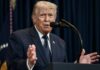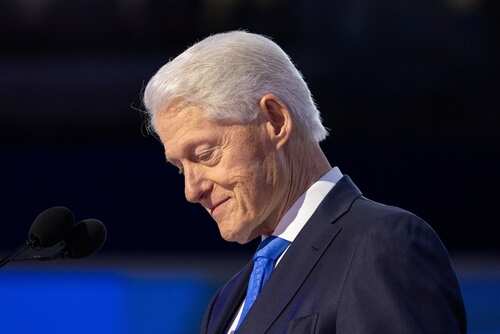
On America’s 250th birthday, Bill Clinton used a Fourth of July message not to mourn the country, but to warn the “people in charge” that Americans are awake, paying attention, and still believe this nation can do better.
Story Snapshot
- Clinton ties America’s 250th anniversary to a blunt warning about “deep division” and threats to democracy.
- He targets “the people in charge,” not America itself, for tactics he says betray core national values.
- He insists “there is still nothing wrong with America that cannot be cured by what’s right with America.”
- Conservative media responds by branding his message an attack on America, ignoring his call for unity and improvement.
What Clinton Actually Said About America At 250
Bill Clinton’s July Fourth statement starts with a simple frame: America at 250 years old is still a miracle, but that miracle is under pressure. He talks about “deep division” and “serious threats to our own institutions and to our democracy itself.”
That is not fireworks talk; that is diagnosis. He argues the founders knew the country would never be perfect, but could always be better, and that our job is to keep making a “more perfect” union.
Bill Clinton calls out 'people in charge' in July Fourth message https://t.co/ZpA1JKWpUY
— Bo Snerdley (@BoSnerdley) July 5, 2026
Clinton roots his message in that founding idea of improvement, not in despair. He points to citizens lining up to vote “no matter how hard some may try to prevent them,” as proof that the country’s core strength still lives at the grassroots.
He repeats a line he has used for years: “There is still nothing wrong with America that cannot be cured by what’s right with America.” That is classic Clinton optimism, but this time wrapped around a sharp warning about who holds power and how they use it.
Calling Out “The People In Charge”
Clinton’s harshest language is not about America as an idea, but about the current leadership he believes is failing that idea.
He says “the people in charge” have “unleashed masked agents on American communities to seize people from their homes, workplaces, and the street,” a clear shot at heavy-handed immigration enforcement tactics. He accuses them of starting an “unconstitutional war on a whim,” with no clear objectives or exit strategy. These are direct charges of abuse of power, not abstract complaints.
He does not tell people to give up. He tells them to show up. His statement presses Americans to “stand up, show up, and speak out for our democracy.”
That is accountability language: if you do not like what “the people in charge” are doing, change the people in charge. He echoes a theme other presidents also raised that day, that democracy is “self-correcting” when citizens participate.
For conservatives who value limited government, strong borders, and the rule of law, this is familiar terrain: government must answer to the people, not the other way around.
Why He Says America’s Best Days Are Still Ahead
To many viewers, the most striking piece of Clinton’s message is that he pairs this hard-edged criticism with stubborn hope. The Clinton Presidential Center’s America250 post pulls an older line from a July 4, 2000 message: “America’s best days are yet to come.”
They highlight it again in 2026 to say his core belief has not changed. The country makes mistakes, sometimes serious ones, but it can still choose better leaders and better policies and move forward.
That optimism is not vague in his America250 message. He gives practical examples: how we treat one another online and in person, how we build stronger communities, how we defend fair elections.
He tells Americans to celebrate the miracle that brought us this far, then “wake up” the next day and ask what part they will play in keeping the nation “in the future business.”
How This Fits A Longer American Pattern
Clinton’s July Fourth message sits inside a long tradition of leaders using national anniversaries to warn about real dangers while still defending the American idea.
Abraham Lincoln’s 1861 July 4 message to Congress, written with the country on the edge of civil war, also described grave threats but argued the Union was worth saving. Modern framing studies show that, in these moments, media on each side often turns nuanced critiques into blunt “love it or hate it” stories.
From a common-sense conservative view, the key test is simple. Does the speaker attack America’s core values, or does he attack leaders who betray those values?
Clinton’s message lands in the second camp. He thinks the current “people in charge” abuse power and divide the country, and he tells citizens to use elections and civic action to fix it. You can disagree with his policy views. You can question his record. But if you read his actual words, it is clear he is aiming his fire at the government, not at America itself.
Sources:
twitchy.com, abcnews.com, instagram.com, youtube.com, facebook.com, beyondintractability.org